
India has a way of making spirituality feel like part of everyday life. You might hear temple bells in the early morning, see lamps being offered beside a river at sunset, or come across traditional chants during a sacred ceremony. These moments are not always planned, yet they often stay with you long after the journey ends.
For many travellers, spiritual experiences in India are about more than visiting famous temples or attending religious festivals. They offer an opportunity to understand the stories, customs and beliefs that have shaped communities for generations.
Whether you are curious about Vedic traditions, sacred rituals, Indian mythology or traditional ceremonies, exploring these practices can bring a different perspective to your travels.
What Makes Spiritual Experiences in India Meaningful?
India is home to many religious and philosophical traditions, each with its own practices, stories and ways of understanding the world. Spirituality may be expressed through prayer, music, meditation, pilgrimage, festivals, rituals or quiet moments of reflection.
What makes these experiences interesting is the meaning behind them.
A ritual may represent gratitude, devotion, a new beginning or a connection with ancestors. Traditional songs may carry stories passed down through generations. Even the simple act of lighting a lamp can hold personal or cultural significance.
For travellers, learning about these traditions provides a chance to look beyond what is visible and understand why a practice matters to the people who continue it.
Sacred Rituals and Their Significance
Rituals are an important part of many Indian spiritual traditions. They can mark religious occasions, seasonal celebrations, personal milestones and moments of prayer.
One example is a Yagna, a traditional fire ritual in which offerings are made into a sacred fire, often accompanied by mantras and prayers. Its meaning and practice vary according to the tradition and occasion.
Another familiar experience is Ganga Aarti, a devotional ceremony performed at various places along the River Ganges. Lamps, chants and coordinated offerings create a memorable atmosphere, particularly during evening ceremonies.
These rituals are not simply performances for visitors. They hold religious and cultural meaning for the people participating in them. Observing with respect, understanding the context and following local guidance can make the experience more meaningful.
Exploring Vedic Chanting and Sacred Music
Sound has an important place in many Indian spiritual practices.
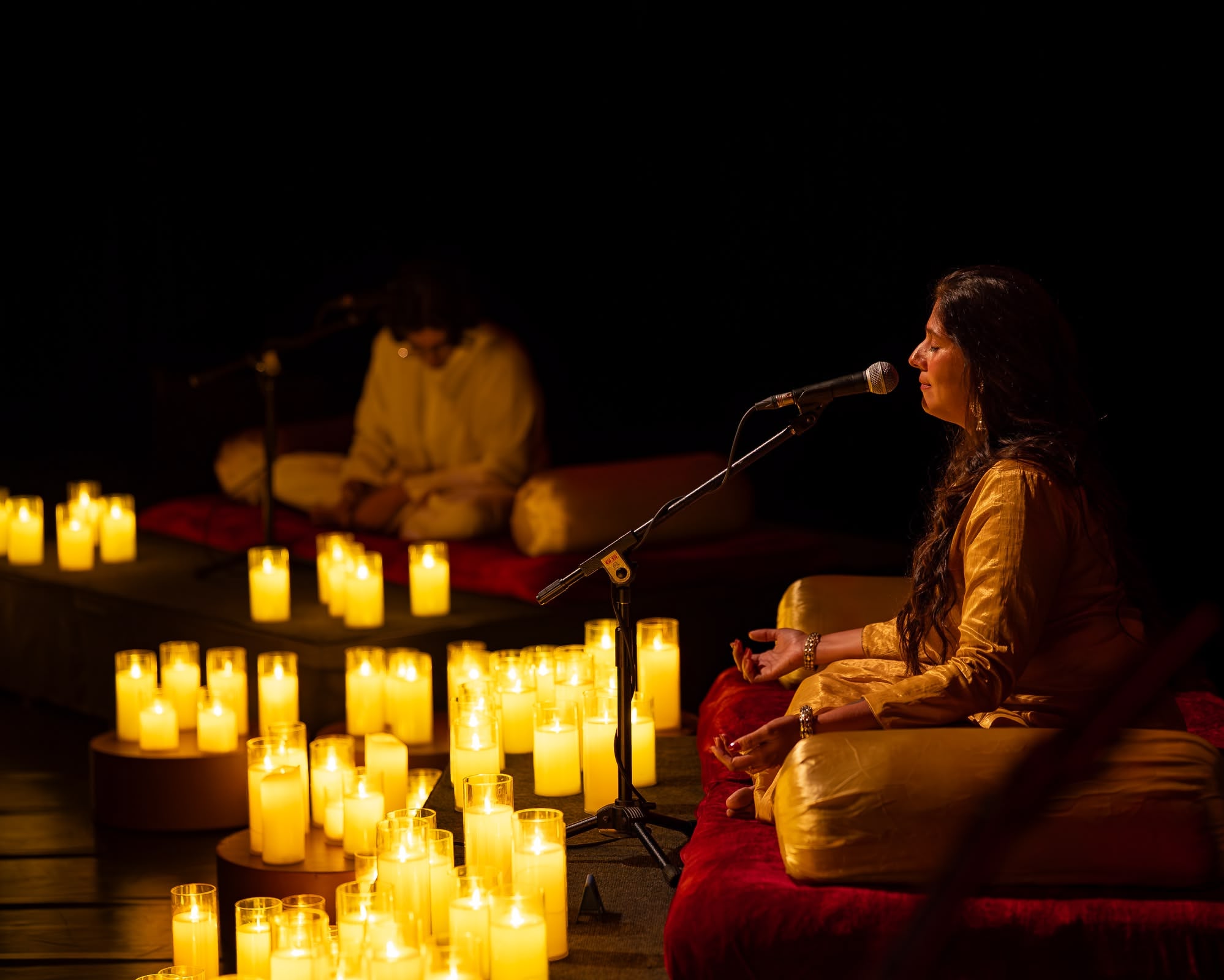
Vedic chanting involves the oral recitation of verses from the Vedas, preserved through carefully transmitted traditions. The pronunciation, rhythm and repetition are important parts of this practice.
Beyond Vedic chanting, visitors may encounter devotional songs, traditional instruments, mantra recitation and musical forms associated with spiritual gatherings.
At Anam Cara Retreats, sacred music and chanting feature in curated experiences. The Spiritual Journeys offering describes experiences involving Vedic hymns, Chakra Dhrupad and music connected with traditional Indian philosophy.
For someone encountering these practices for the first time, the experience can be an invitation to listen more closely. You do not need to understand every word to appreciate the care, discipline and cultural history behind the music.
Yoga, Chakras and Meditation
Yoga in India extends beyond physical postures. Its wider traditions include breathwork, meditation, philosophical study and practices intended to cultivate awareness.
Chakra practices come from particular Indian spiritual and yogic traditions that describe centres of subtle energy within the body. Interpretations and methods differ across schools, so it is worth learning about the context in which a practice is offered.
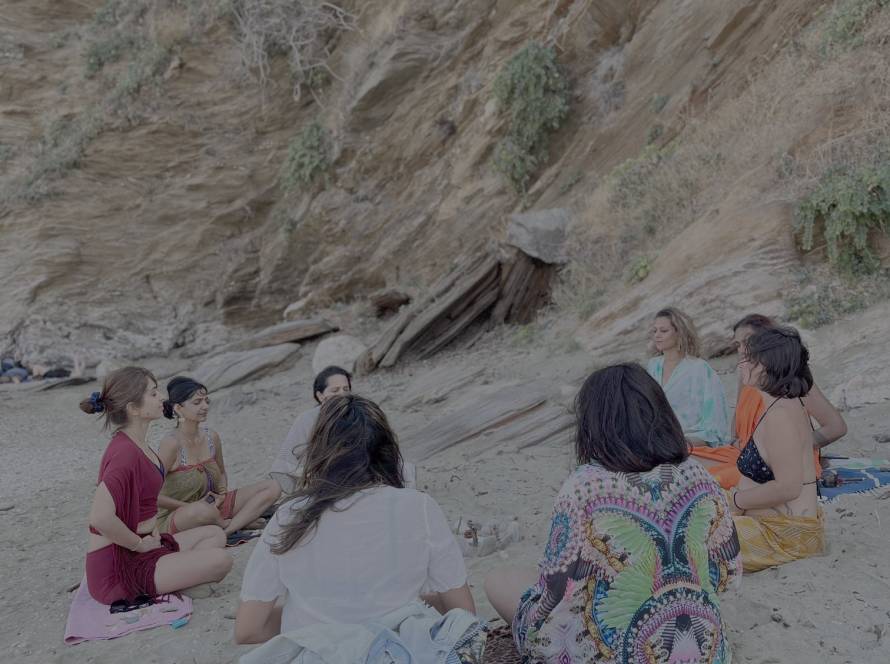
Meditation and breathwork may also form part of a spiritual gathering, creating space for stillness amid a busy schedule.
These practices can be explored with curiosity rather than expectations. There is no need to arrive with a particular spiritual background or experience level. A willingness to listen, learn and participate appropriately is a good place to begin.
You can learn more about Anam Cara’s philosophy and its approach to yoga, breathwork, chanting and meditation on the Our Approach page.
Indian Mythology and the Stories Behind Sacred Traditions
Many Indian rituals are closely connected to mythology, sacred texts and stories shared across generations.
The story of the River Ganges descending to Earth, for example, is closely associated with Lord Shiva. Stories involving different deities, teachers and sacred places also help explain the symbolism behind many traditions.
Listening to these stories in the places and cultural settings connected with them can make the experience feel different from reading about them alone.
Anam Cara’s Spiritual Journeys offering includes storytelling sessions inspired by Indian myths, accompanied by live music, songs and poetry. These experiences bring together narrative, sound and cultural context.
For travellers, such encounters can be a way to understand not only the stories themselves but also their continuing place in Indian life.
Experiencing Spiritual Traditions with Respect
India’s spiritual heritage is diverse, and there is no single way to experience it. Some traditions welcome visitors to observe public ceremonies, while others have specific customs or restrictions.
A little preparation helps.
Before attending a ceremony, learn about its purpose and any expected dress or behaviour. Ask before taking photographs, particularly when people are praying or participating in private rituals. Follow instructions from local organisers, and avoid treating sacred practices as simply another photo opportunity.
It is equally important to recognise that not every ritual is open to everyone. Respecting boundaries is part of meaningful cultural travel.
Approaching spiritual experiences in India with curiosity rather than assumptions allows you to learn without losing sight of the people and communities at the heart of these traditions.
Beyond Sightseeing: A More Personal Cultural Journey
There is a difference between visiting a place and understanding something about it.
A sightseeing itinerary may introduce you to a temple, a riverfront or a historic site. A thoughtfully curated experience can give you more context through stories, music, conversations and guided participation where appropriate.
This is where personal curation can make a difference.
Anam Cara Retreats’ Spiritual Journeys offering focuses on private experiences, bespoke curations and celebrations shaped around a particular occasion or group. Its documented experiences include sacred rituals, Vedic hymns, chanting, mythology and live music.
These experiences reflect the philosophy behind Anam Cara, where nature, cultural traditions and personal discovery come together. You can learn more about the story and philosophy behind these experiences on our About Us page.
You can also explore Anam Cara’s retreats to discover other journeys that bring together nature, traditional practices and meaningful experiences.
Creating Your Own Spiritual Journey in India
There is no single itinerary that suits everyone. Some travellers may be interested in ancient scriptures and Vedic traditions, while others may want to learn about local customs, experience traditional music or attend a sacred ceremony.
Start by thinking about what interests you.
Would you like to understand a particular ritual? Learn about Indian mythology? Explore chanting and meditation? Or experience a cultural gathering with a knowledgeable guide?
Your interests, the location and the nature of the ceremony can all shape the journey. If you are planning a private experience for a group or a special occasion, a customised approach can help bring these elements together.
For those interested in ongoing learning and community, Soul Sanctuary offers online workshops, in-person gatherings and community circles.
If you would like to discuss a personalised cultural experience, visit the Contact Us page to enquire with Anam Cara Retreats.
Ultimately, spiritual experiences in India are not about collecting ceremonies or trying to understand everything in a single visit. They are about taking the time to learn, listen and appreciate the meaning that traditions hold for the people who practise them.
Frequently Asked Questions
1. What are spiritual experiences in India?
They include experiences connected with religious traditions, sacred rituals, chanting, meditation, pilgrimage, mythology and cultural ceremonies. The specific experience depends on the region, community and tradition.
2. Which spiritual traditions can travellers explore in India?
Travellers can learn about a wide range of traditions, including Vedic practices, Hindu temple rituals, Buddhist meditation traditions, Sikh devotional practices, Sufi traditions and many others. Each has its own history and customs.
3. What is a Yagna in Indian tradition?
A Yagna is a traditional fire ritual involving offerings, prayers and, in many forms, the recitation of mantras. Its purpose and method vary depending on the occasion and tradition.
4. Can international travellers participate in Indian spiritual ceremonies?
Some public ceremonies welcome visitors, while others may have restrictions or specific participation requirements. It is best to check with local organisers and follow their guidance.
5. What should I wear when attending a sacred ceremony in India?
Clothing expectations vary by location and tradition. Modest attire is often a sensible starting point, but visitors should check local guidance, including any requirements to cover their head or remove their footwear.
6. Can Anam Cara Retreats arrange private spiritual experiences in India?
Anam Cara’s Spiritual Journeys offering includes private experiences and bespoke curations for groups, international guests and special occasions. Visit the Spiritual Journeys page or Contact Us to discuss your interests and the type of experience you would like to explore.
Discover the Meaning Behind the Journey
India’s spiritual traditions are best approached with an open mind and respect for the people who preserve them. A sacred chant, a story shared beside a river or a ritual performed over generations can offer a glimpse into a much deeper cultural world.
If you are looking to explore beyond conventional sightseeing, a thoughtfully planned journey can help you discover these traditions in a more personal way.
Explore Spiritual Journeys by Anam Cara Retreats to learn about private cultural experiences and bespoke curations inspired by India’s living traditions.
Ready to create a meaningful cultural experience? Contact Anam Cara Retreats to start a conversation about your journey.